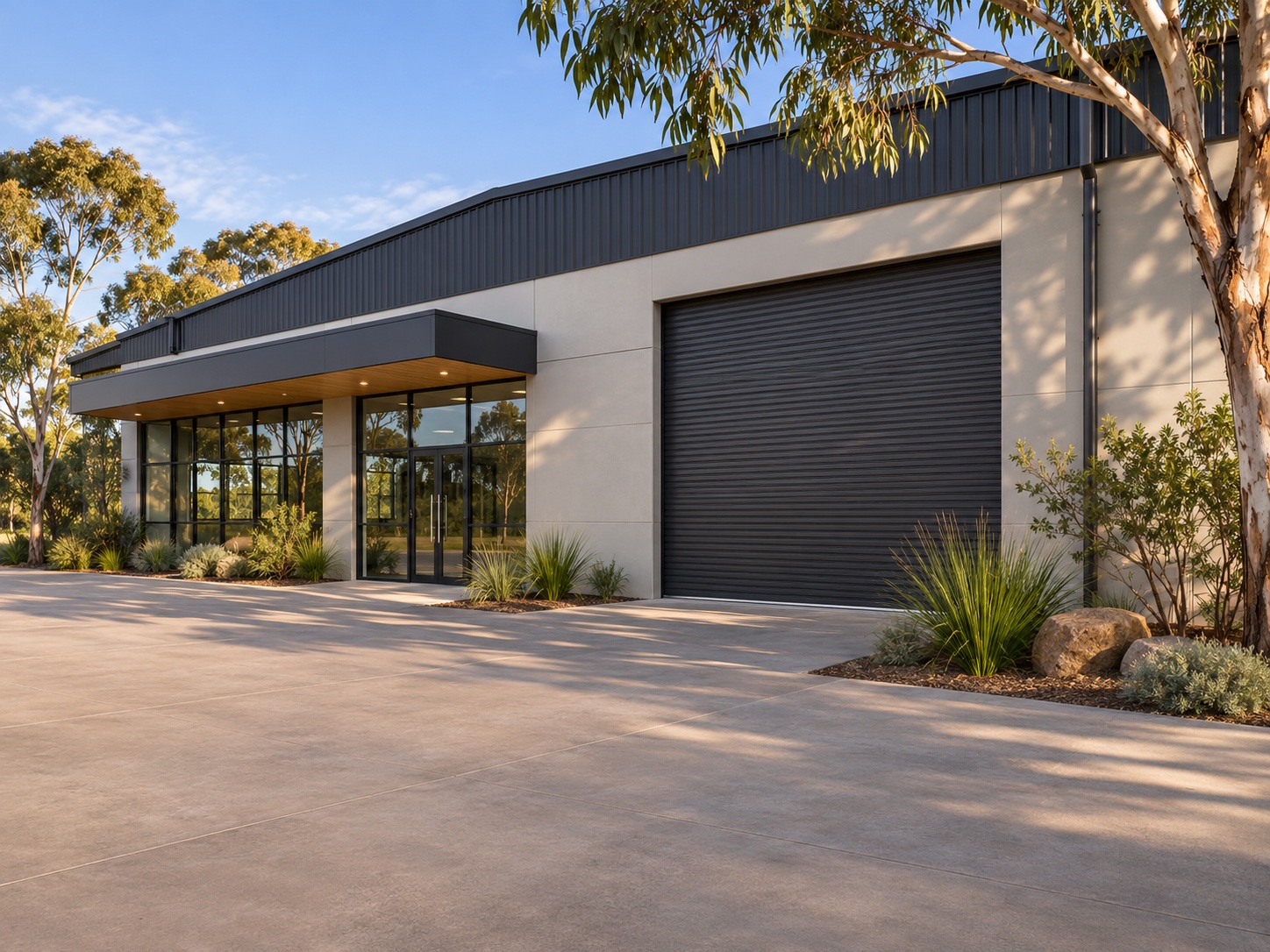
Use solar during business hours
Match generation to daytime operating loads, rather than choosing an array size from the bill total alone.

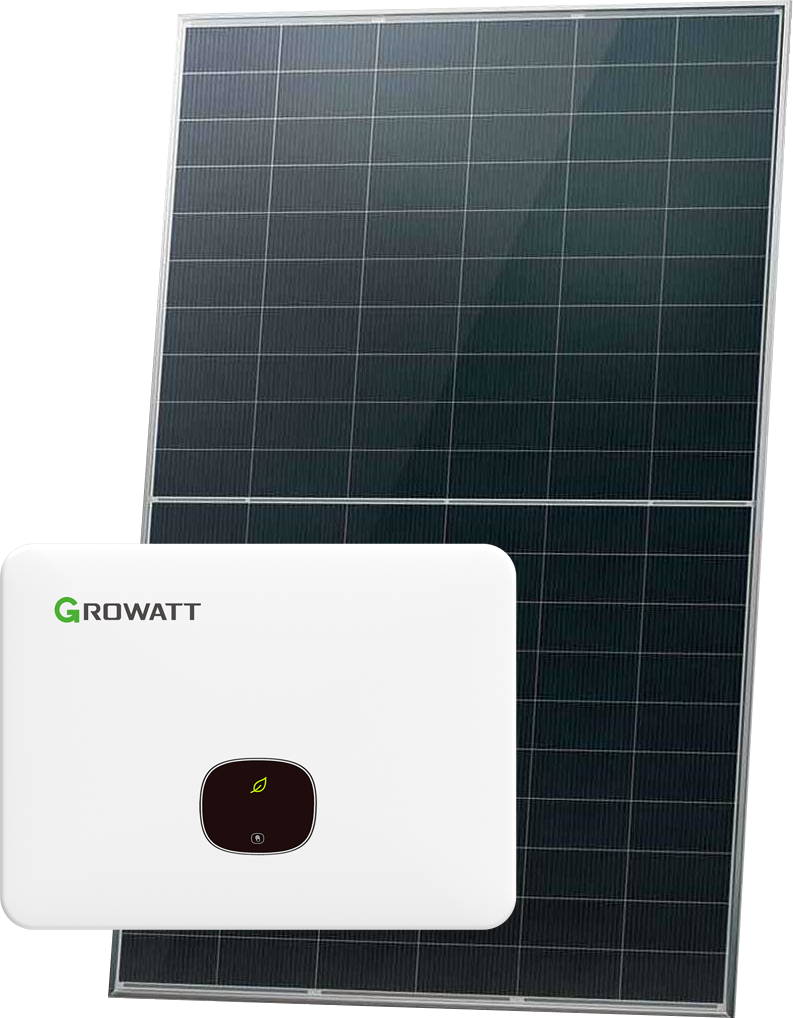
Build a rooftop solar system around when your business uses electricity. Start with Jinko 510W panels and a Growatt MID inverter design matched to your site.
Match generation to daytime operating loads, rather than choosing an array size from the bill total alone.
Check usable roof area, shading, structural capacity, electrical supply and network connection requirements.
Discuss planned equipment, EV charging or storage early so the design reflects your business’s next steps.
Equipment options for different site and system requirements. The proposal confirms the selected inverter, quantity of panels and any storage or backup components.
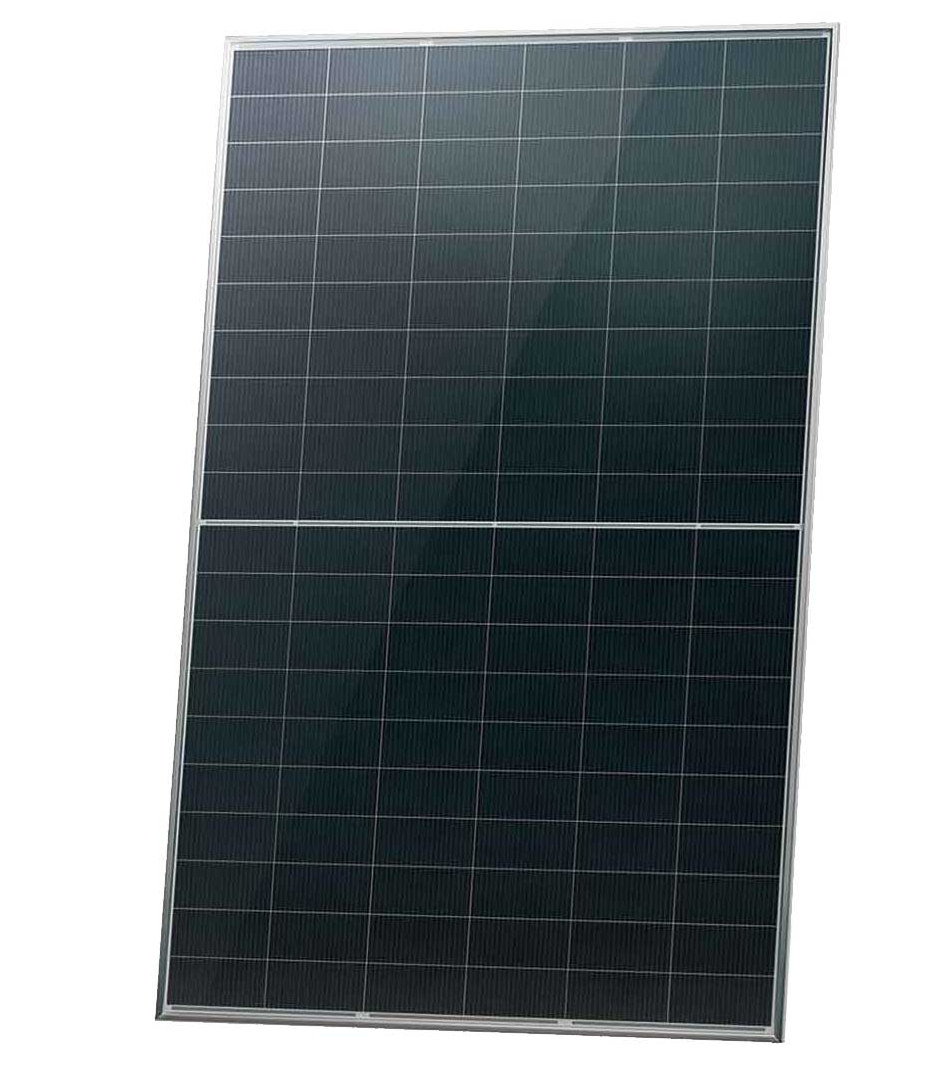
510W N-type panels for suitable commercial rooftop designs. Panel count and string layout are confirmed after roof and electrical assessment.
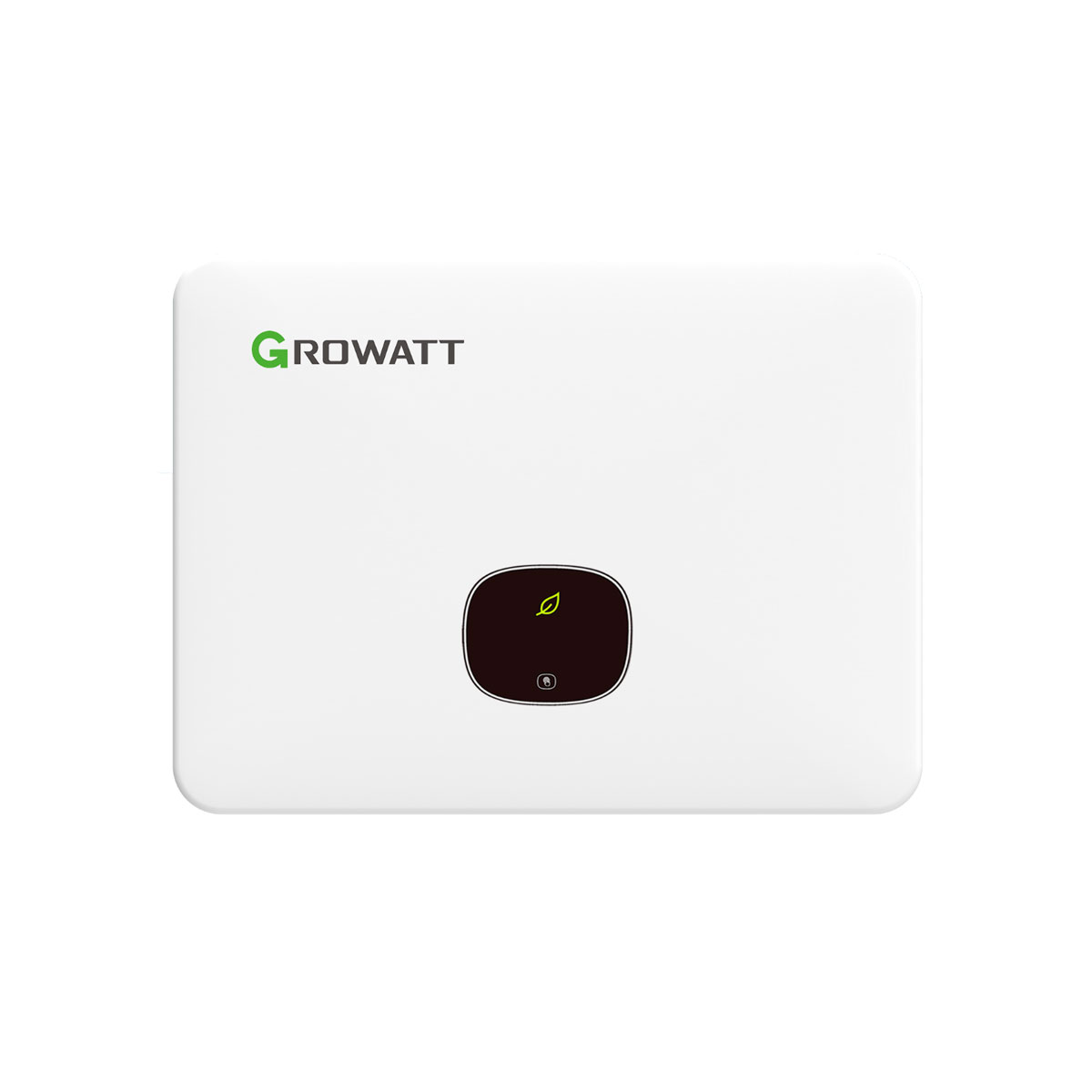
Three-phase battery-ready inverter range. Selected models have nominal AC outputs from 9.999kW to 29.9kW. Compatible APX P-S2 storage is specified separately.
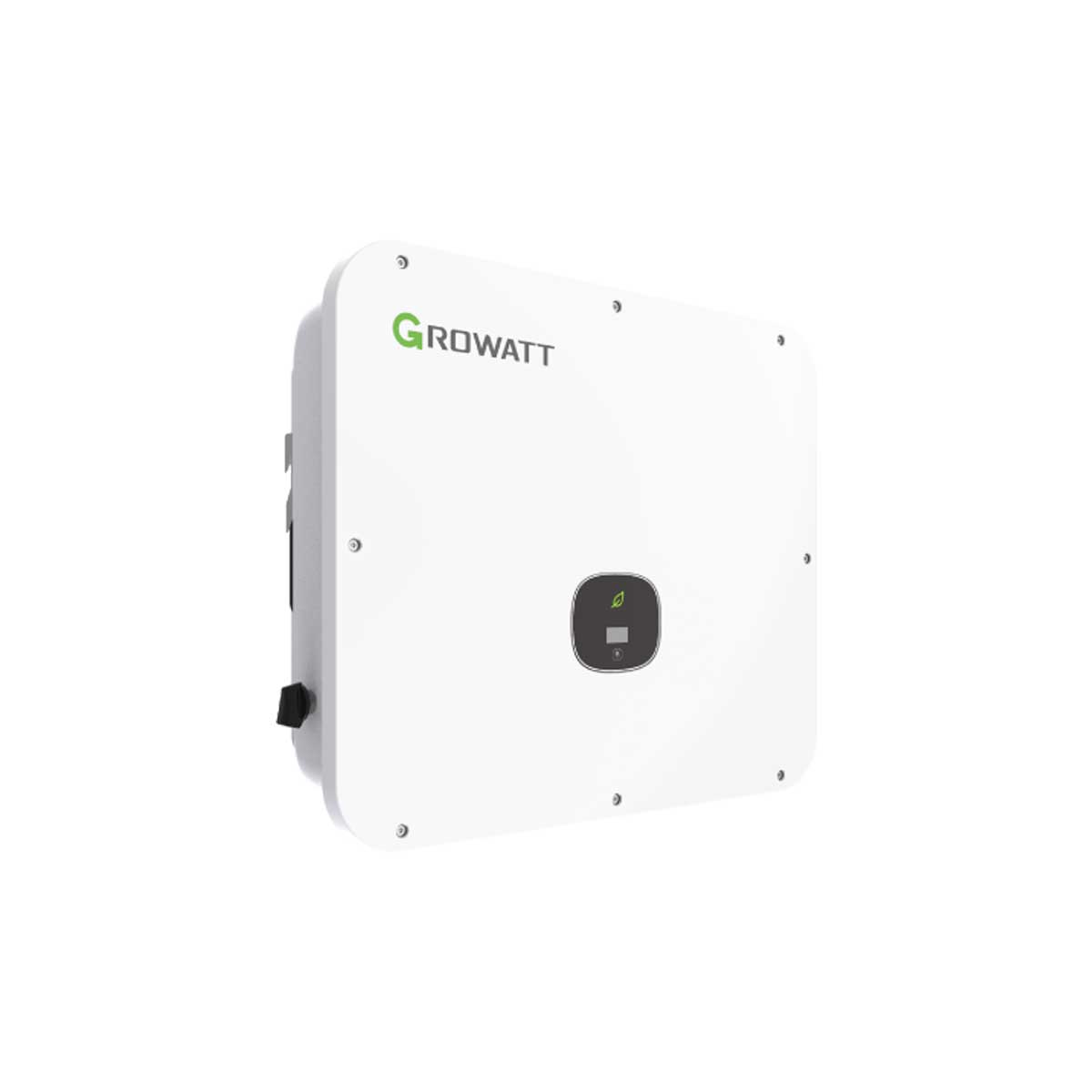
A 50kW three-phase hybrid option for larger designs considering storage. With the specified APX P-S2 configuration, maximum backup output is 30kW.
The MID XH is battery ready. A later storage upgrade requires compatible battery equipment and a design review. The MID HU is shown as a hybrid option for projects considering storage; its suitability for the proposed operating mode is confirmed before selection.
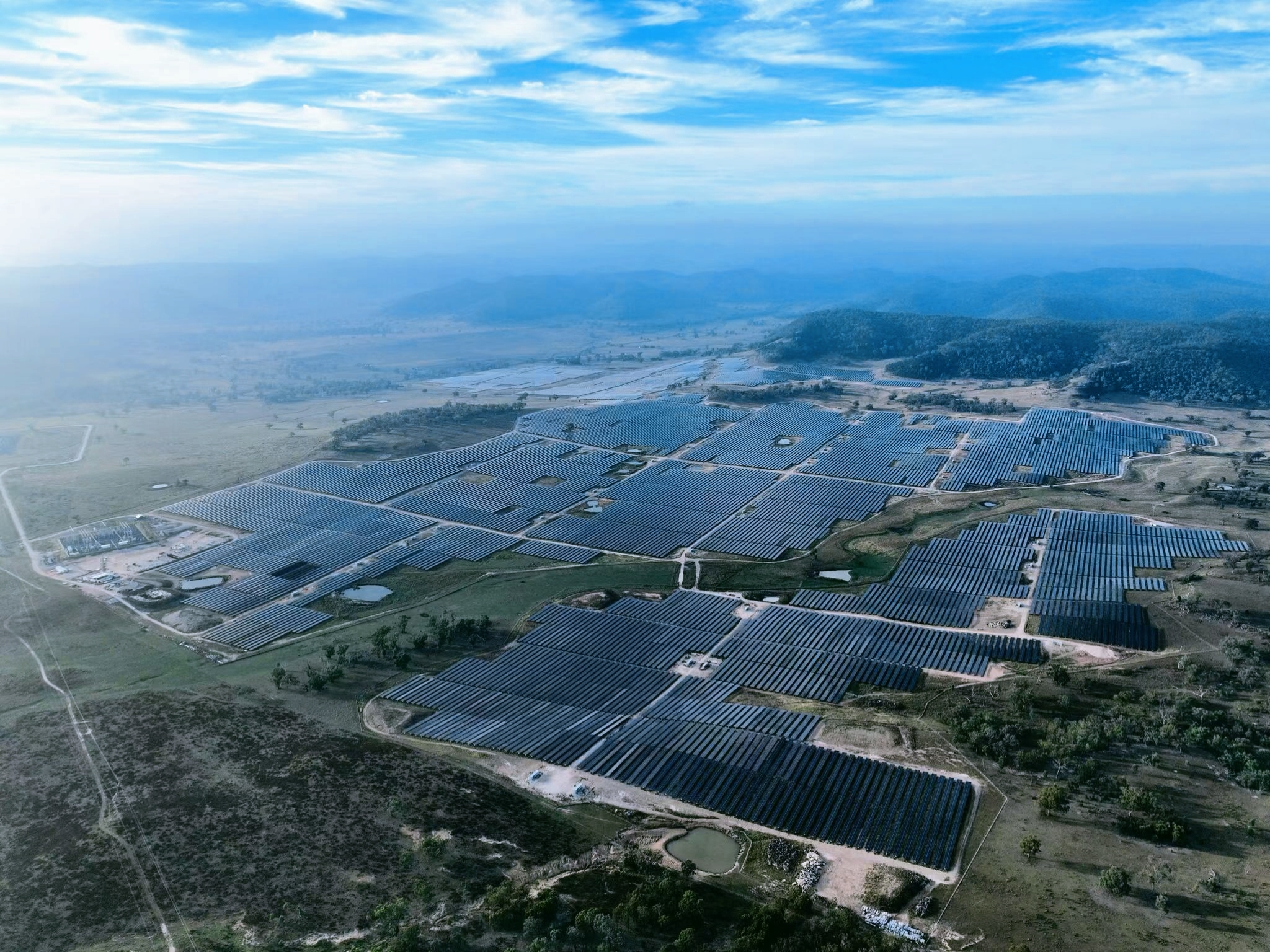 Real project · Wollar Solar Farm
An example of Sunterra’s wider solar delivery experience, connecting engineering, construction, grid integration and ongoing asset care.
Utility-scale delivery reference. This is a different project scale and equipment configuration from a commercial rooftop package.
A suitable commercial array depends on daytime demand, available roof space, network limits and future plans. We confirm panel count and inverter capacity after assessment.
Provide your address, recent bills and any available interval data.
Review operating hours, peak loads, existing equipment and roof conditions.
Agree equipment, connection requirements, installation scope and any backup priorities.
Set out commissioning, monitoring, handover and ongoing service responsibilities.
Explore how storage can fit a commercial energy system.
Explore the existing NSW bill scenarios and project planning tools, then discuss your site’s circumstances.
Bring your site information, electricity bills and business priorities to the conversation.
The system is designed for your site. Your proposal identifies exact equipment, quantities, installation scope and price.
A compatible battery-ready design can support future options, but battery family, control equipment, network requirements and model compatibility must be checked.
Only where backup is designed and included. Supported circuits, available inverter power and remaining battery charge limit what can run.
Your site address, bills or interval data, operating schedule, roof information and major electrical loads. Include existing solar and any planned equipment.
Tell us about your property, operating hours and the loads that matter.
A recent bill · Interval data if available · Existing equipment details · Site photos · Future load and backup priorities
