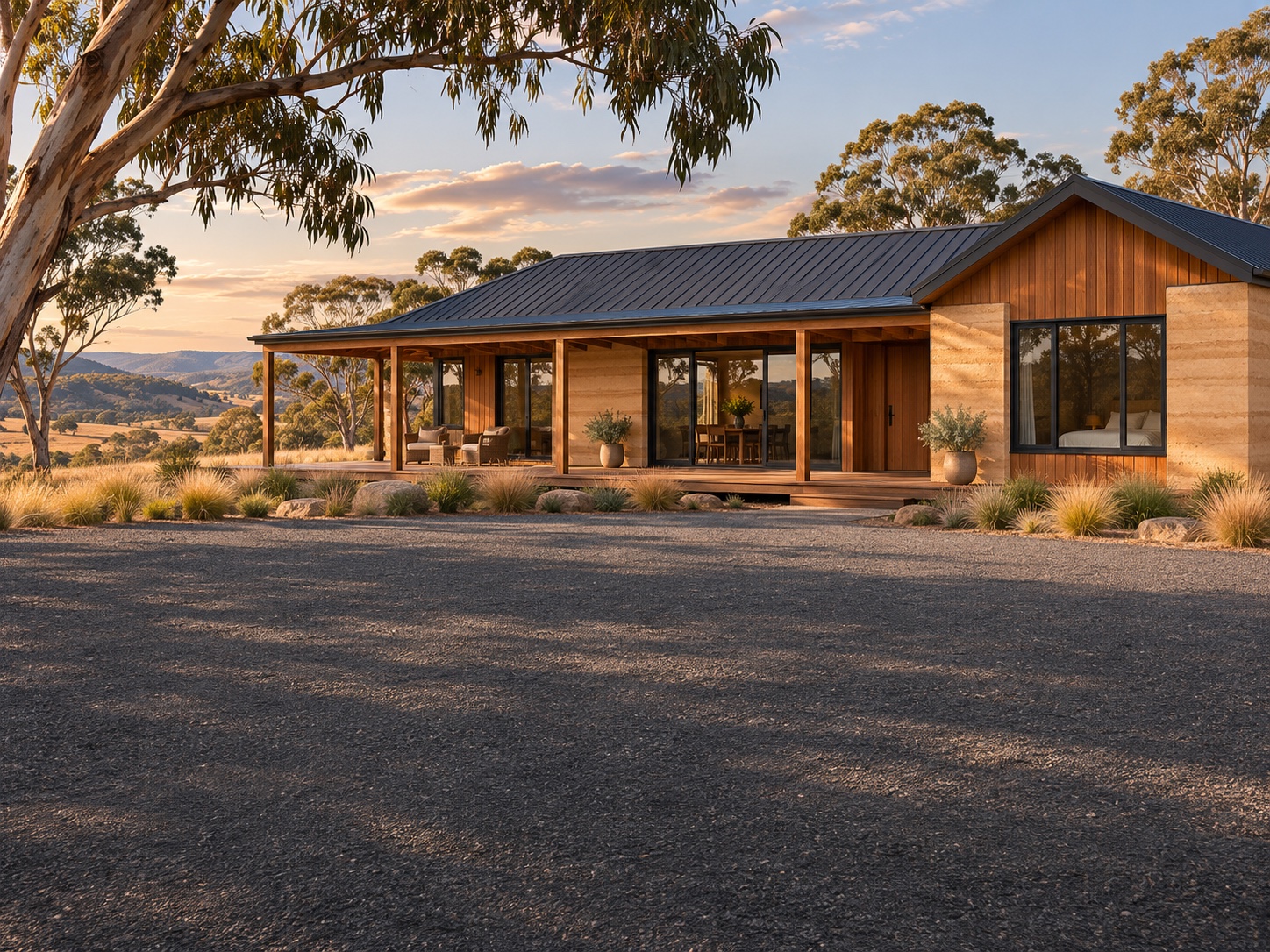
Remote homes and builds
If a grid connection is unavailable or costly, compare a standalone design against the connection cost and ongoing obligations.

Solar and storage for properties without a utility connection. We assess your daily energy use, peak loads and site conditions to plan a standalone system around your property.
If a grid connection is unavailable or costly, compare a standalone design against the connection cost and ongoing obligations.
List the loads that must run through the year, including pumps, refrigeration and heating. The hardest week can matter more than an average day.
Allow space for equipment and maintenance. Site access, monitoring, generator fuel and long-term service all affect how the system works in practice.
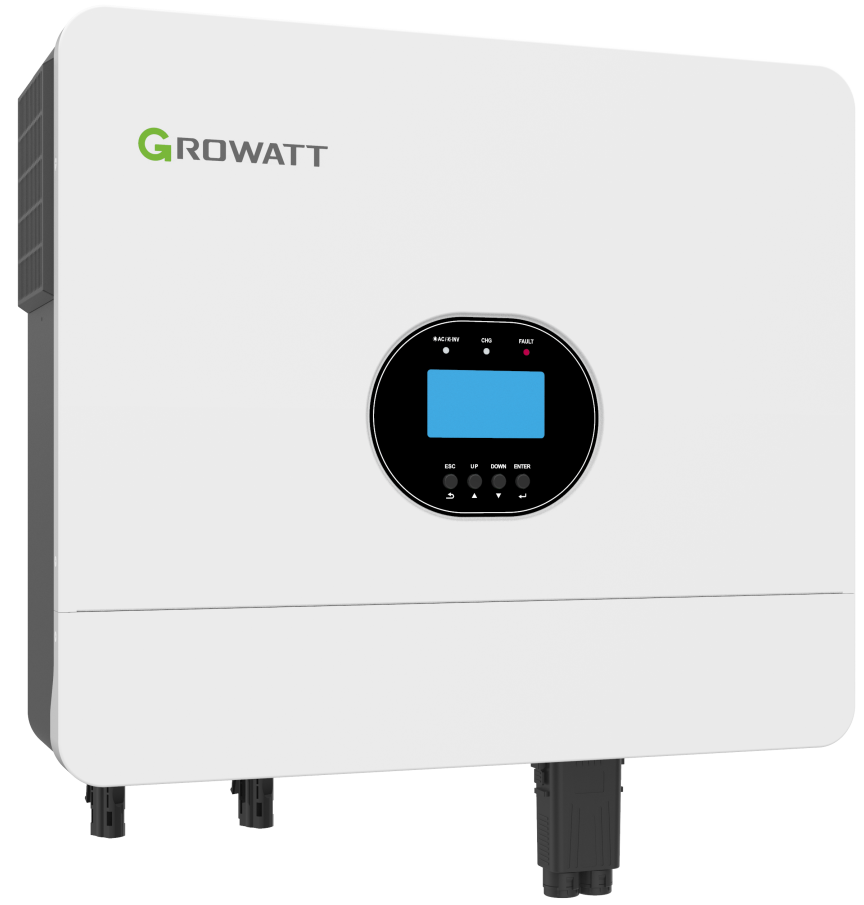
A standalone inverter brings your solar generation, battery storage and electrical loads together. Equipment is selected as part of a complete site-specific design.
A 6kW off-grid inverter with dual MPP trackers and a 48V battery system. The right solar array, compatible batteries and any generator integration are confirmed together in your proposal.
Supports compatible lithium or lead-acid batteries. IP20 protection: plan for a suitable indoor installation environment. Battery capacity, solar panel count and installation scope are specified for each property.
Explore how Sunterra customers planned solar, storage and changing household routines.
The published customer stories feature grid-connected homes. Off-grid systems need a separate design for the site’s loads, battery reserve and any generator integration.
Examples of Sunterra support across solar and battery systems. These records describe the service provided, rather than completed off-grid installations.
A Growatt battery's "Battery Open" error was stopping normal discharge. Our technician identified a firmware issue, confirmed the latest version with the manufacturer and updated the system on site.
When an inverter relay fault stopped solar generation, we worked with the manufacturer on remote troubleshooting, helped with the warranty claim and arranged an on-site inverter replacement.
After moving into a home with an existing Sunterra solar and battery system, the new owner asked for help accessing its monitoring app. We visited, helped create a new account and linked the system to it.
An inverter isolation error returned after rain. Across three visits, our installer investigated the system and traced wet-weather earth leakage to a damaged cable section on the north-facing string.
Service story · Resolved
This is a record of the support provided for this case. For help with your own system, contact our team.
Service story · Resolved
This is a record of the support provided for this case. For help with your own system, contact our team.
Service story · Completed
This is a record of the support provided for this case. For help with your own system, contact our team.
Service story · Monitoring advised
This is a record of the support provided for this case. For help with your own system, contact our team.
Off-grid power starts with how your property uses electricity. We assess the whole system, rather than choosing panels and battery capacity in isolation.
Match the array to your available roof or ground area, shading and winter generation, alongside the inverter’s input limits.
Plan for overnight demand, essential loads and periods of low sunlight. Battery energy capacity and inverter power are assessed separately.
Consider a compatible generator where required, together with maintenance access, fuel logistics and the property’s critical loads.
Share the location, access, connection status and photos of the property.
List appliances, daily operating hours and equipment with high starting loads.
Confirm solar capacity, battery reserve and any generator requirements after assessment.
Review installation, handover, maintenance and support arrangements in your quote.
Send your postcode, current connection status, equipment list, typical usage if known, and whether there is an existing generator. We’ll check the site and service scope before proposing equipment.
Start with a load list, daily energy use, simultaneous demand and reserve needs. The 6kW inverter rating is an output limit, not a battery capacity or a promise that it can run every appliance at once.
A standalone system supplies the property continuously without a utility connection. A grid-connected backup system supports chosen loads during an outage.
It depends on winter solar production, essential loads and how much weather-related reserve you want. A generator is one option where additional backup is needed.
A standalone system needs equipment selected for that purpose. It must be sized for daily energy, peak demand and periods of low generation.
