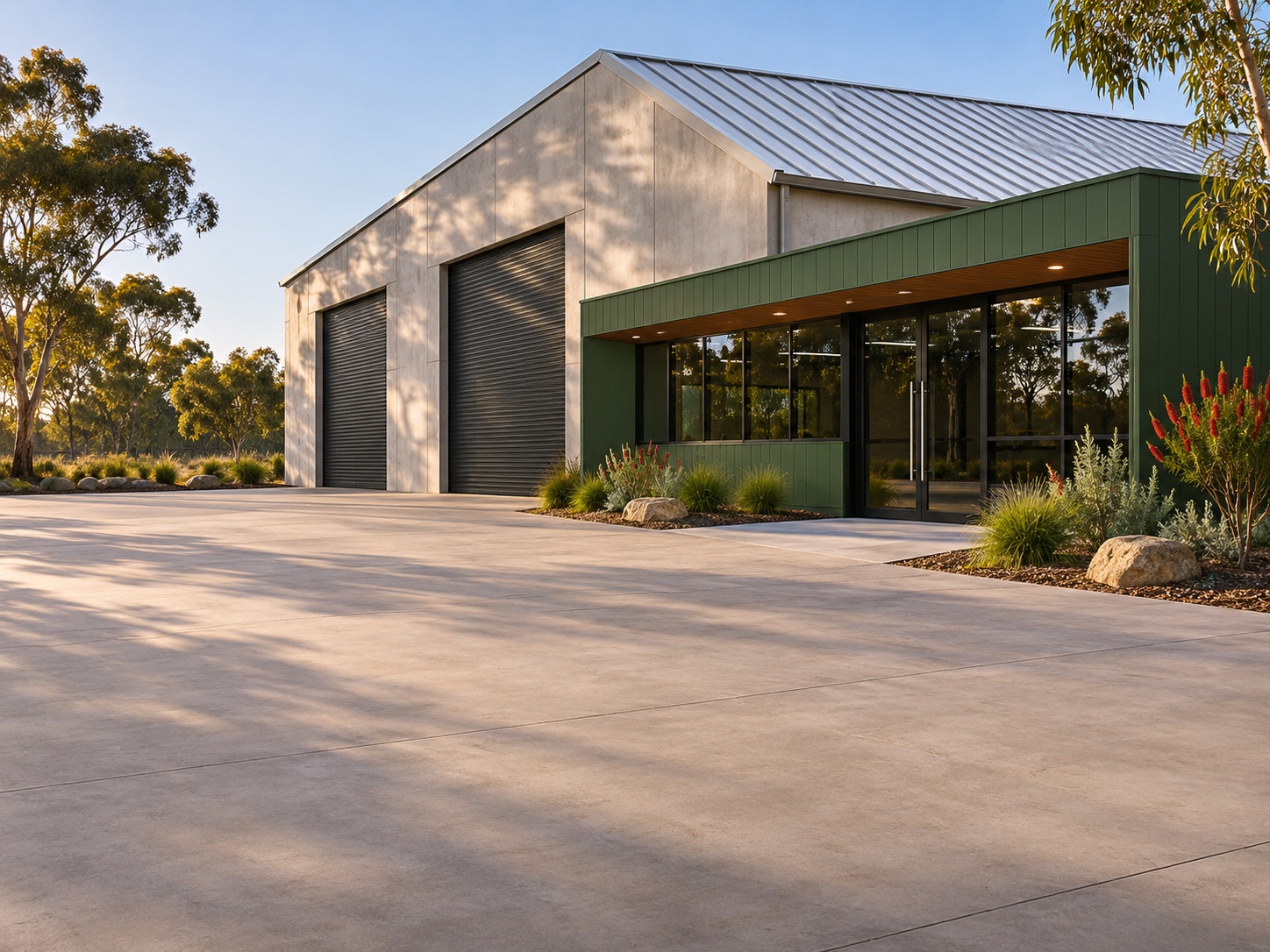
Shift available solar
Store suitable daytime surplus for later use, subject to the site’s generation and load profile.

Bring generation, storage and site demand into one coordinated design. We assess your load profile, tariffs and backup priorities before selecting the system.
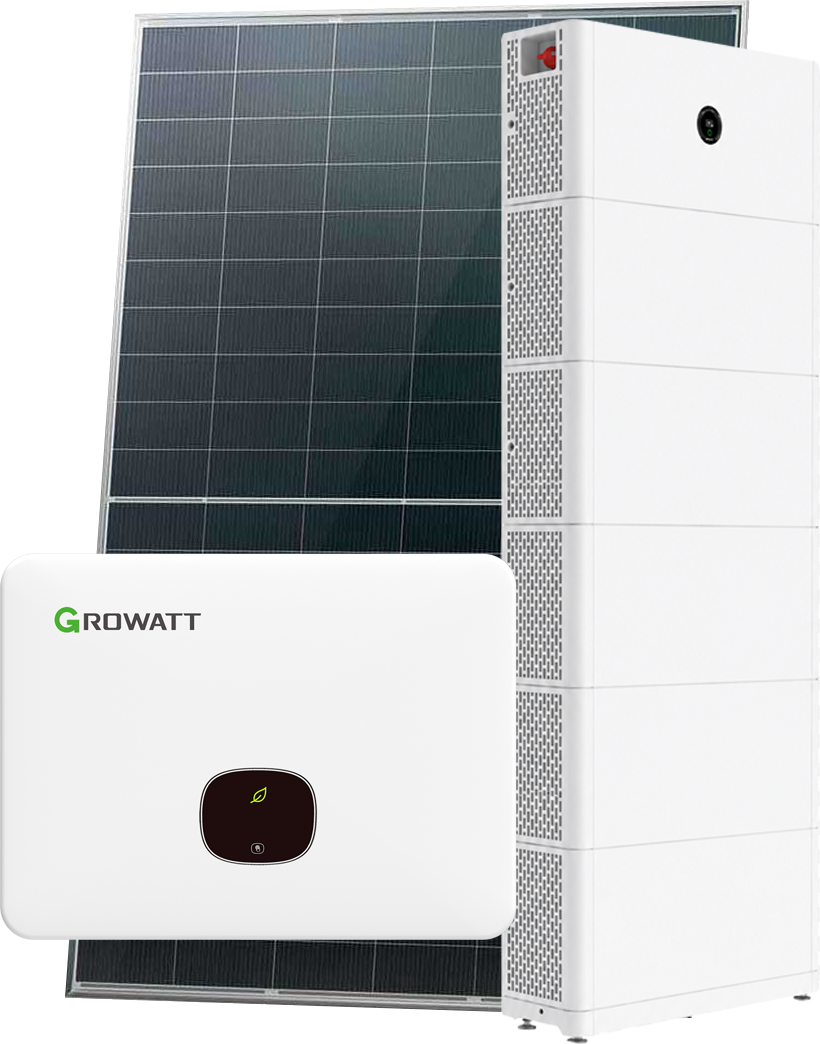
Store suitable daytime surplus for later use, subject to the site’s generation and load profile.
Use interval data to assess whether storage could reduce relevant grid demand peaks under your tariff.
Identify essential circuits, motor starting loads and required reserve. Backup power is a separate design constraint.
Equipment options for different site and system requirements. The proposal confirms the selected inverter, quantity of panels and any storage or backup components.
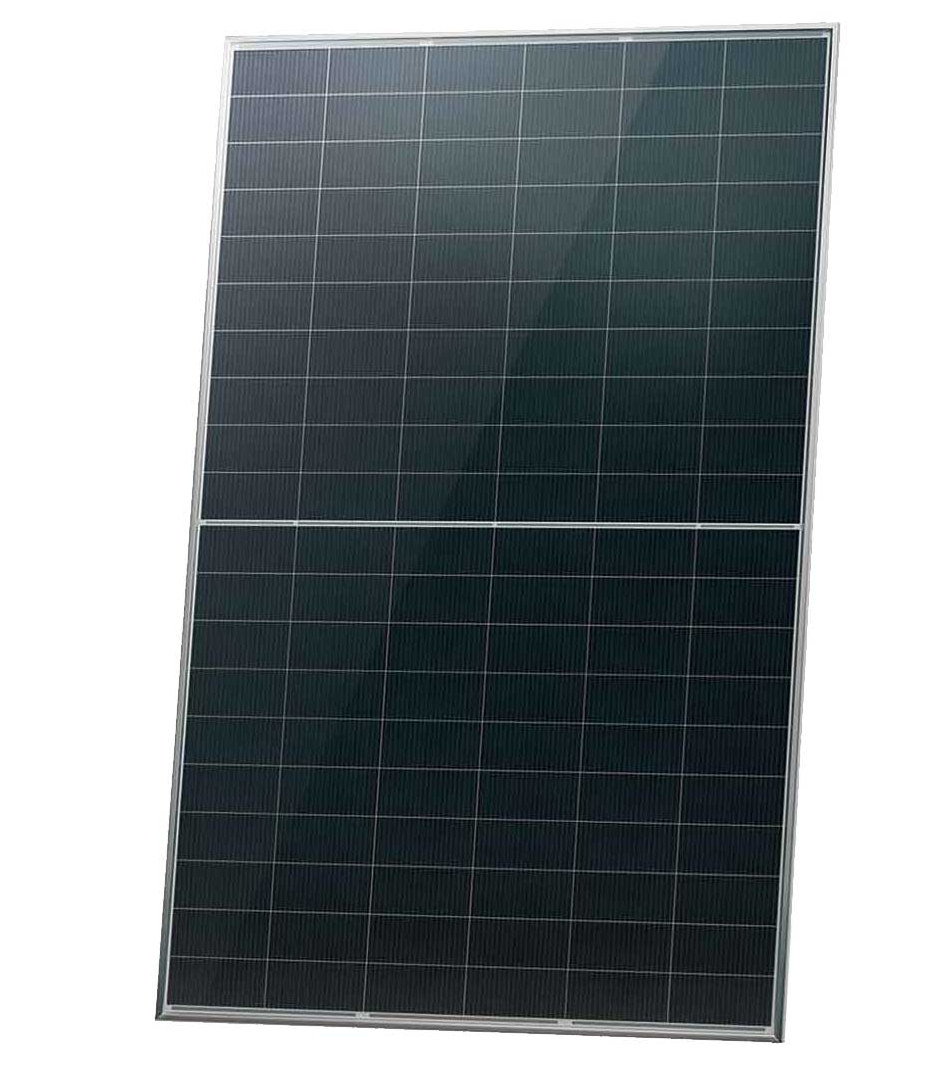
510W N-type panels for suitable commercial rooftop designs. Panel count and string layout are confirmed after roof and electrical assessment.
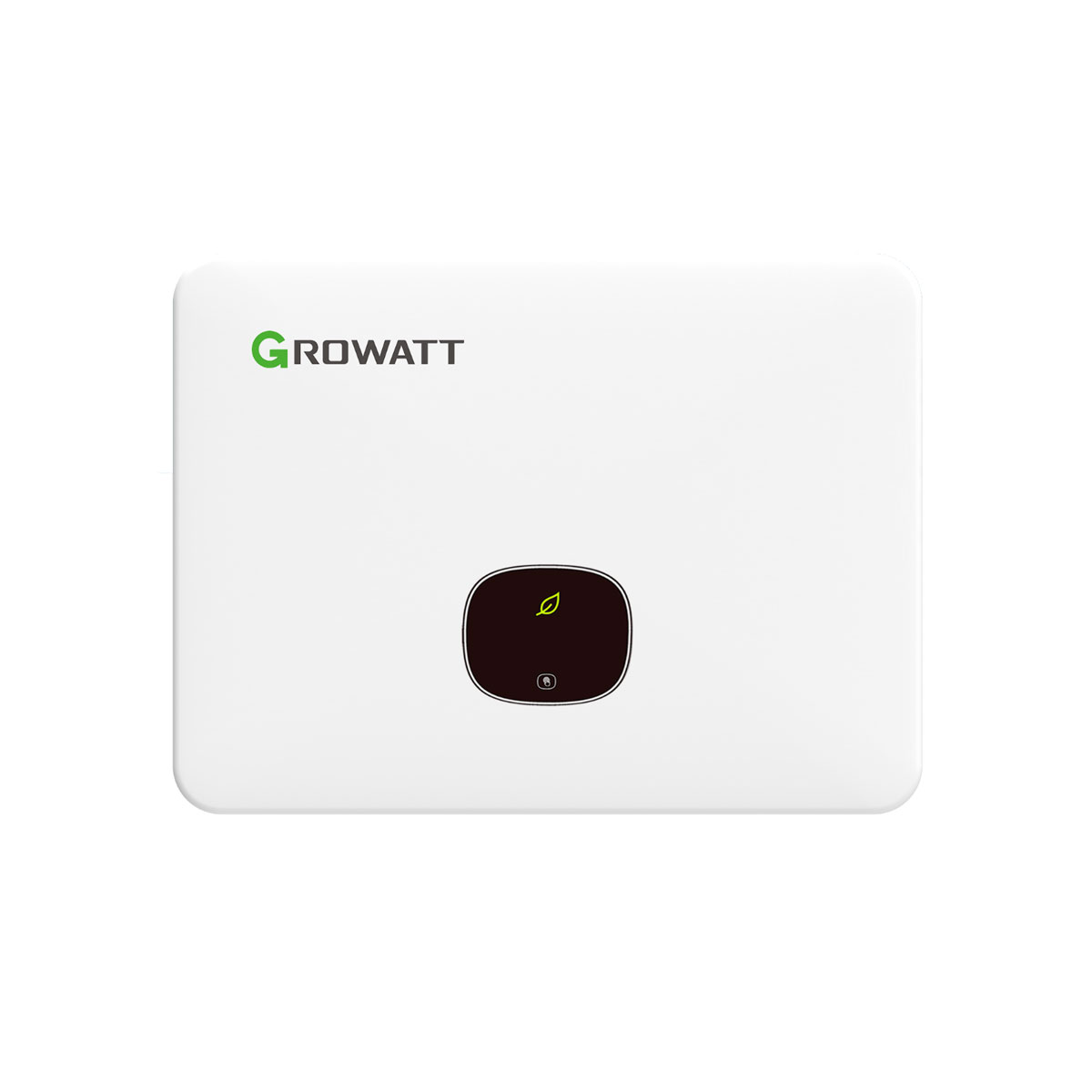
Three-phase battery-ready inverter range. Selected models have nominal AC outputs from 9.999kW to 29.9kW. Compatible APX P-S2 storage is specified separately.
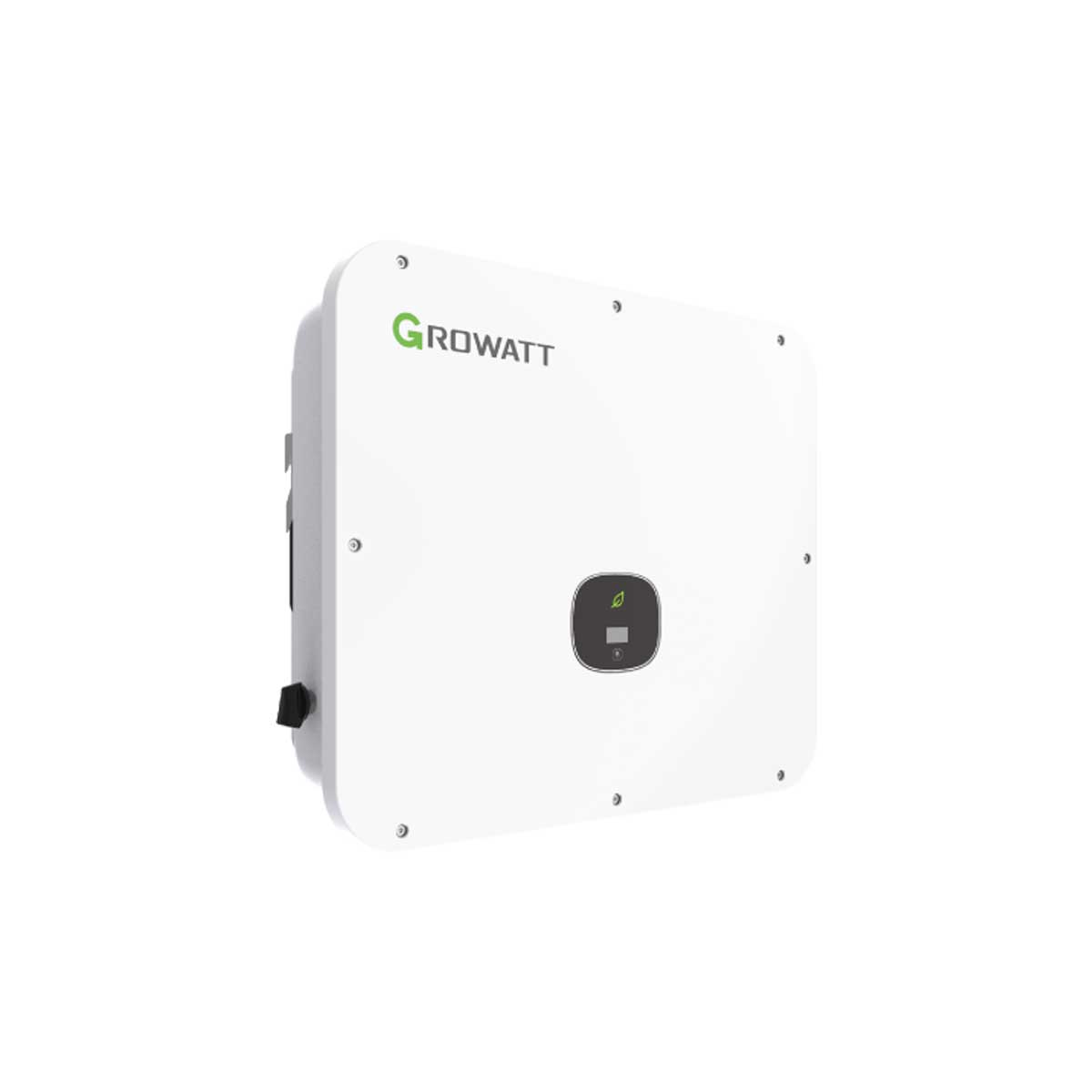
A 50kW three-phase hybrid option for larger designs considering storage. With the specified APX P-S2 configuration, maximum backup output is 30kW.
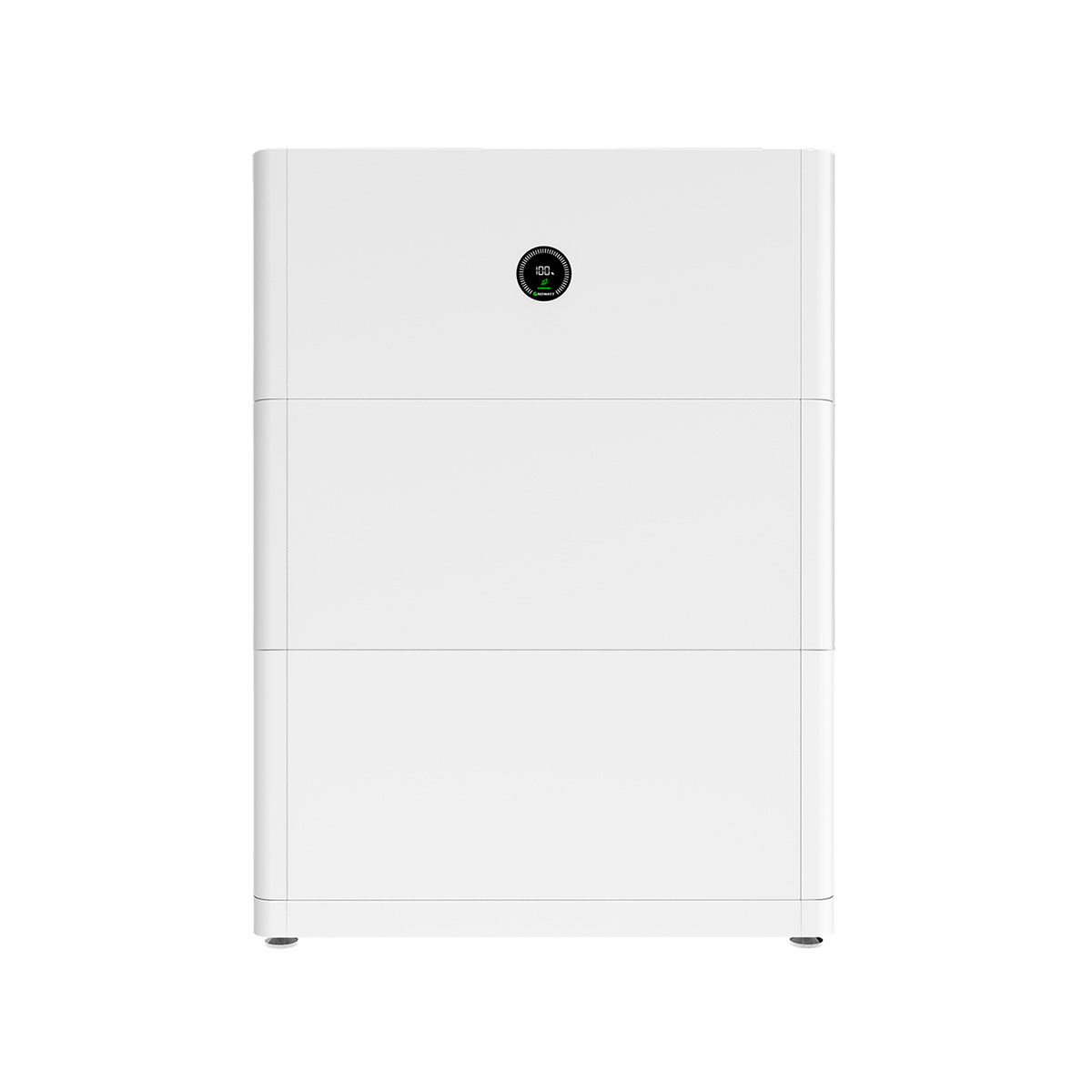
Modular high-voltage battery storage for compatible Growatt systems. We confirm the inverter, battery control equipment and installation arrangement together.
The MID datasheets list compatible APX P-S2 high-voltage storage. Battery family, control equipment, usable energy and charging/discharging limits must be confirmed together. A 50kW grid-connected inverter rating does not mean 50kW backup output; the supplied MID HU datasheet specifies a maximum 30kW backup output with the stated APX configuration.
Demand-charge share in one analysed bill.
A share of bill costs, not a promised saving.
An anonymised factory bill and half-hour meter records help show how electricity purchases and peak demand affect business energy costs. Explore the analysis before choosing a solar-and-storage system.
The tool explores operating scenarios. Its calculated changes are not measured savings from a completed installation.
Storage energy in kWh, inverter power in kW and backup output answer different questions. We assess all three alongside operating hours, available charging energy and future loads.
Provide your address, recent bills and any available interval data.
Review operating hours, peak loads, existing equipment and roof conditions.
Agree equipment, connection requirements, installation scope and any backup priorities.
Set out commissioning, monitoring, handover and ongoing service responsibilities.
Review a commercial solar-only design.
Explore the existing NSW bill scenarios and project planning tools, then discuss your site’s circumstances.
Bring your site information, electricity bills and business priorities to the conversation.
The system is designed for your site. Your proposal identifies exact equipment, quantities, installation scope and price.
A compatible battery-ready design can support future options, but battery family, control equipment, network requirements and model compatibility must be checked.
Only where backup is designed and included. Supported circuits, available inverter power and remaining battery charge limit what can run.
Your site address, bills or interval data, operating schedule, roof information and major electrical loads. Include existing solar and any planned equipment.
Tell us about your property, operating hours and the loads that matter.
A recent bill · Interval data if available · Existing equipment details · Site photos · Future load and backup priorities
