Use the roof
Panels make electricity in daylight. The home can use some directly and export what is not used at that moment.

A real household · South Australia
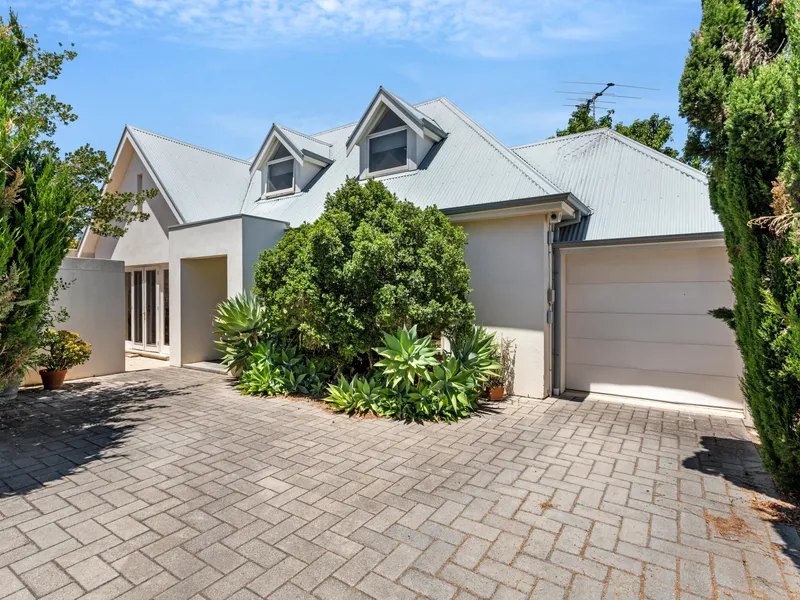
A family of four began with rooftop solar in 2021, then added storage to the system they already owned. Five years on, their original equipment still supports an evening-focused home and a changing electricity plan.
See the actual bill ↓Explore the journey
01 / The home & the upgrade
In April 2021, the family wanted practical, good-value solar for its north-, east- and west-facing metal roof.
Sunterra installed a 6.6kW array and solar inverter on 16 April 2021. Five months later, the family returned for two Growatt batteries. An added AC-coupled inverter made storage possible without discarding the original solar inverter.
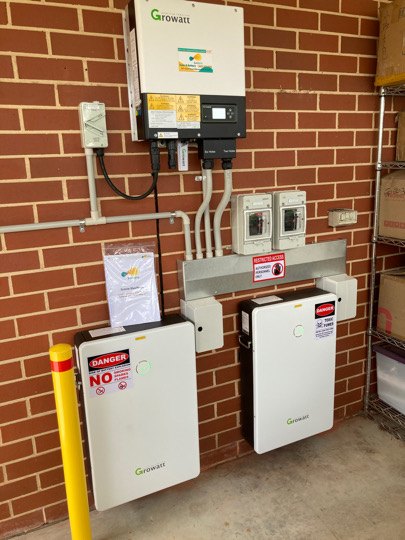
Built in stages · April and September 2021
The batteries were added on 22 September 2021, using a separate 3kW AC-coupled inverter and an EPS control box. This let the original solar inverter continue doing its job while the family gained storage for a different part of the day.
Nominal capacity is not usable energy. The supplied documents do not define the scope of blackout backup.
02 / Why timing matters
The family’s busy hours are often after sunset. They have also added an electric car, and now use an EV electricity plan with a cheaper midnight-to-6am period. Their 2026 bill reflects both the long-running installation and this current plan.
Panels make electricity in daylight. The home can use some directly and export what is not used at that moment.
The 2021 storage upgrade gives the family another way to use available solar after daylight, while keeping the original inverter.
The later EV plan discounts grid electricity from midnight to 6am. The right tariff depends on all rates and supply charges, not one cheap window alone.
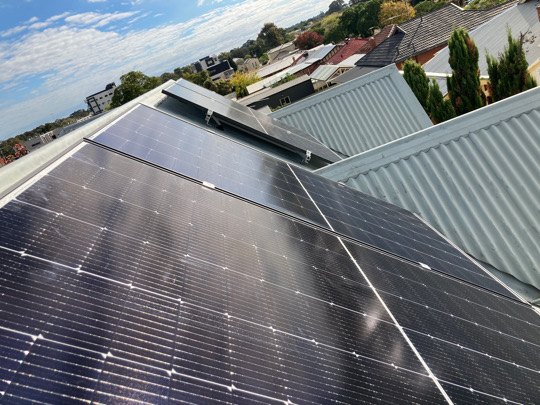
The real rooftop
The solar array was installed in 2021. The latest bill records 215.278kWh exported over 31 days, but it cannot measure all the solar electricity the family used within the home.
Current bills show grid imports and exports; they do not reveal every appliance’s use or isolate battery operation.
03 / The actual bill
The AGL statement covers 16 August–15 September 2026. The previous balance was paid, so the 31-day electricity bill and the amount to pay were both $81.21. The line items below show how this period total was calculated.
This 31-day electricity bill
$81.21
The pre-GST charges and credit total $73.63; the bill then adds $7.58 GST.
The bill shows where grid electricity was purchased: about 94.6% of its 304.456kWh imports fell in the discounted overnight window. It does not show which part was EV charging. Earlier bills were not supplied, so this is a snapshot, not a five-year savings calculation.
| Line item | Electricity or days | Amount |
|---|---|---|
| Night Saver EV · midnight–6am | 288.066kWh | $20.95 |
| Peak | 14.803kWh | $6.33 |
| Shoulder | 1.587kWh | $0.31 |
| Daily supply | 31 days | $48.19 |
| Solar export credit | 215.278kWh exported | − $2.15 |
| Subtotal before GST | — | $73.63 |
| GST | — | + $7.58 |
| This electricity bill | 31 days | $81.21 |
The listed usage and supply amounts are before GST; the solar feed-in credit is not subject to GST. The 304.456kWh imported from the grid is not the family’s total electricity use, because the bill does not record all solar used directly at home.
04 / The Sunterra approach
This family did not need to replace its first solar investment to add storage. Five years later, the original GBLI batteries were still part of the home; workmanship, dependable service and long-term value mattered more than chasing a newer model.
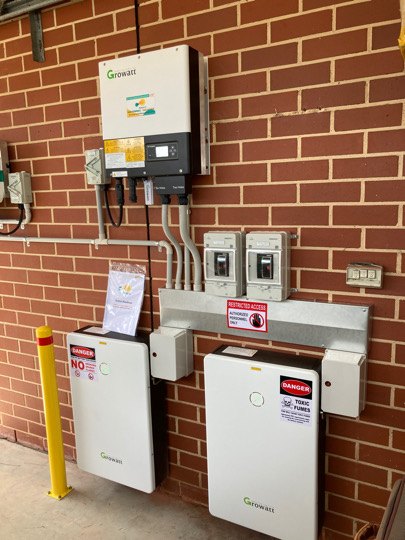
Two 2021 decisions produced one working plan: begin with a practical array, then extend it when the family was ready. The later EV plan shows why household needs and retailer rates should be reviewed as life changes.
Consider the roof, daytime use, evening comfort and the budget before choosing equipment.
Check whether a new capability can be added to reliable existing equipment rather than replacing it.
When an EV or new routine arrives, compare the full tariff, including peak prices and daily supply charges.
05 / Could it work for you?
No. In September 2021, an AC-coupled battery inverter was added so the original grid-tied solar inverter could remain in service.
No. It is one 31-day bill from 2026. Earlier bills, system cost and complete EV-charging information were not supplied, so lifetime savings or payback cannot be calculated from it.
The customer story says no dedicated home EV charger was installed as part of this solar project. The family later chose an EV electricity plan with a discounted overnight period.
The bill does not say. It records 288.066kWh imported between midnight and 6am, but does not divide that electricity between the car, home appliances or battery.
That depends on your current retailer options, charging schedule, solar exports and the plan’s other rates and supply charge. Compare the full plan before changing.
Your home · Your energy plan
Talk to Sunterra about solar, storage and a plan that can grow with your household.
Or call 1800 312 979
