Use the roof
The rooftop array generated in daylight. The bill records electricity exported, though it does not measure all solar used directly at home.

A real household · Victoria
As this family of three made more of daily life electric, they began paying attention to when they bought electricity. Solar, storage, EV charging and a three-hour free-use window became part of one plan.
See the actual bill ↓Explore the home

01 / The home & the upgrade
This family previously relied heavily on gas and did not own an electric car.
Over time, electric appliances, air conditioning and EV charging became more important. Most family members were home in the evenings, so the home’s electricity needs stretched from daylight into later hours. Its north-facing, unshaded tiled roof offered room for solar.
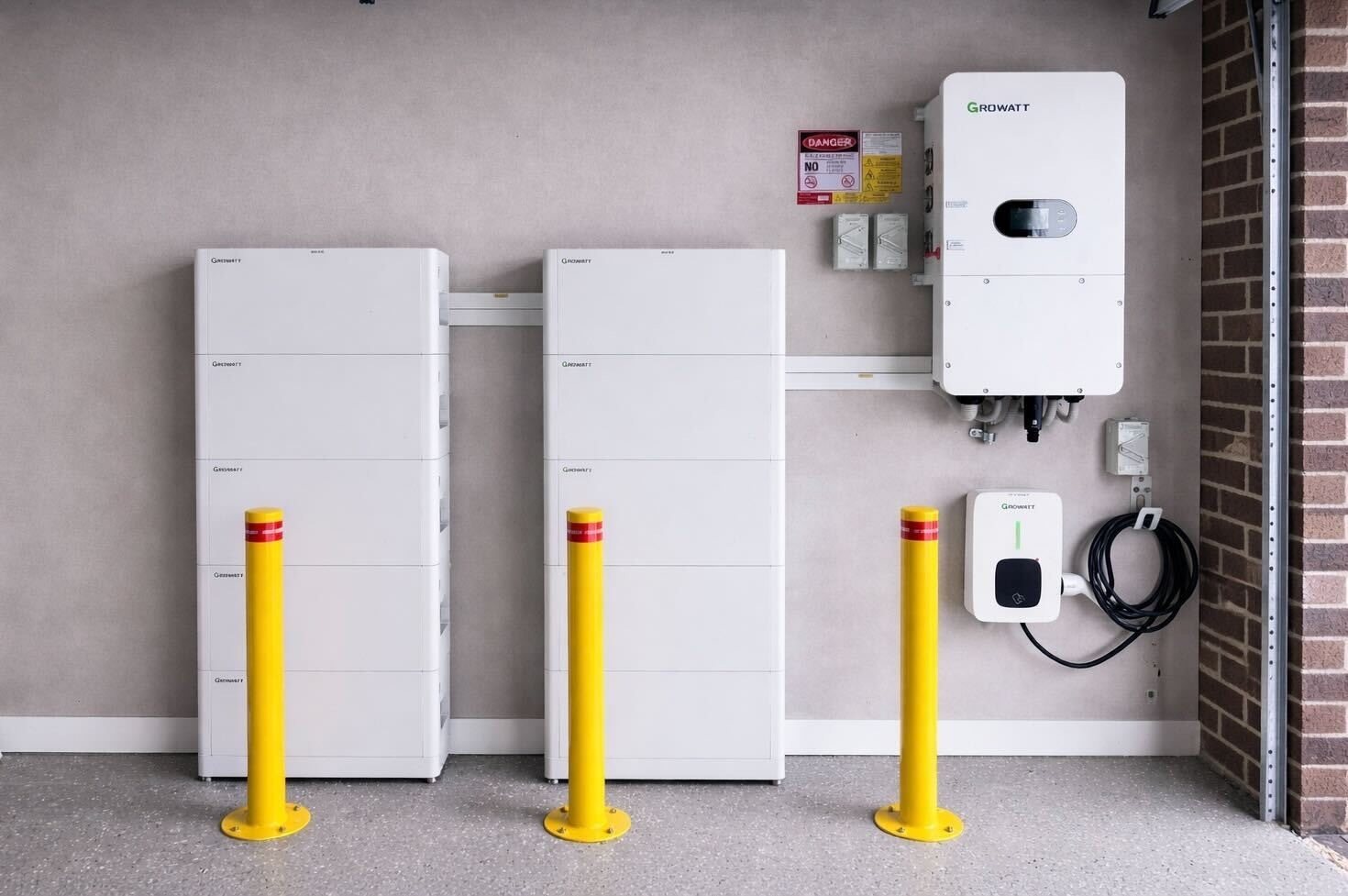
The household solution
The family added rooftop solar and battery storage as it moved towards electric appliances and transport. The installation photograph also shows a home EV charger. Equipment at the home supports a different daily routine, but a bill alone cannot measure total household electricity use or the cost of gas and transport.
The bill below records grid purchases and credits during one month in 2026. It does not date every photographed equipment change or establish a battery-only saving.
02 / Why timing matters
The electricity plan shown on the April 2026 bill priced grid use from 11am to 2pm at $0 per kWh. The homeowner says they used that window to charge the car and home battery, alongside available solar.
The rooftop array generated in daylight. The bill records electricity exported, though it does not measure all solar used directly at home.
Across 31 days, 266.656kWh of grid imports fell within the plan’s zero-priced 11am–2pm period.
The family planned battery and EV charging around the hours that suited them; grid supply and paid-hour charges still appeared on the bill.
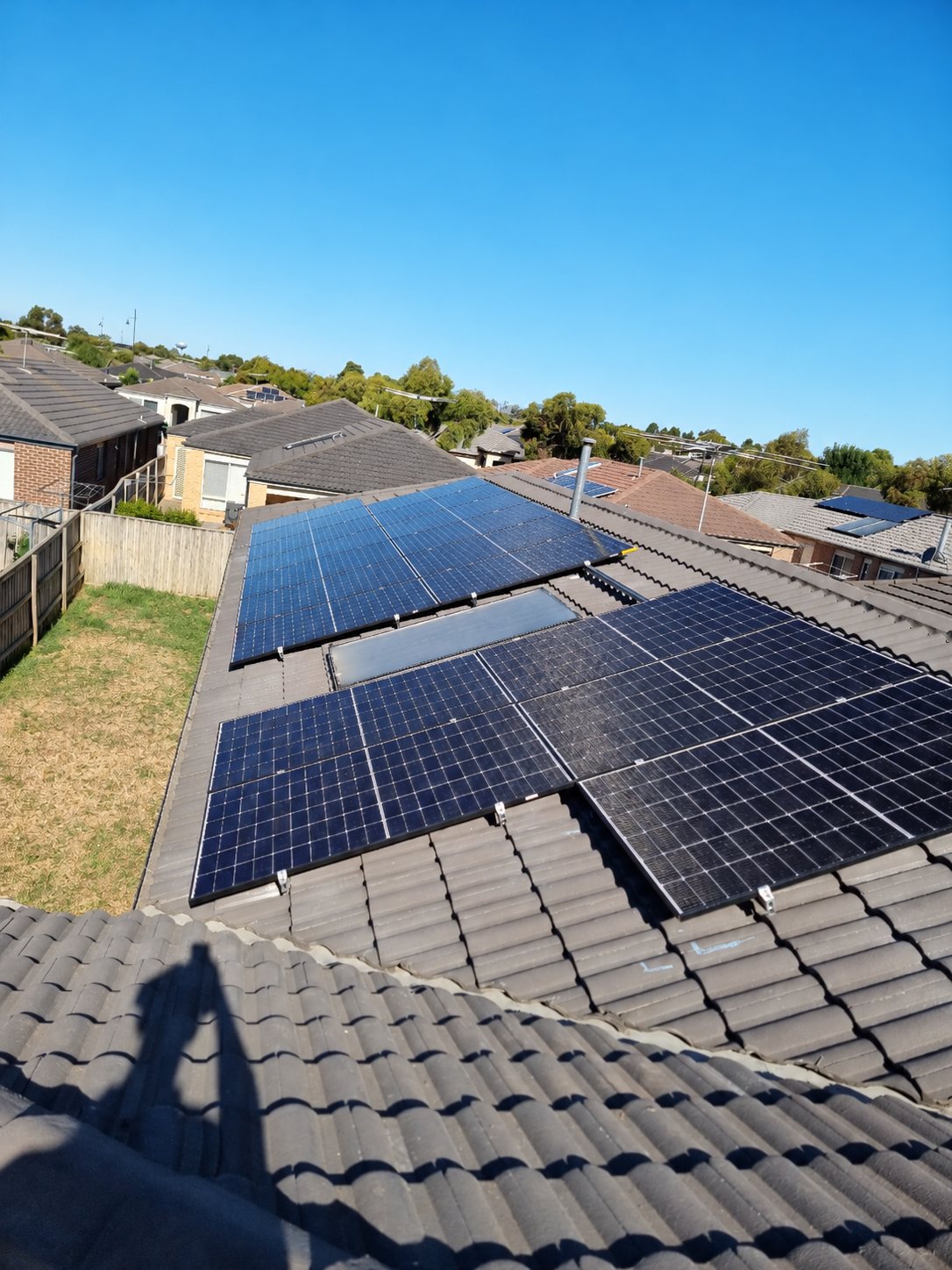
The real rooftop
266.656kWh
of grid electricity was billed at $0 per kWh in the three-hour daily window. The photograph shows the solar installation; the bill cannot split that free-period electricity between the car, battery and other household uses.
The free period is a term of the historical retailer plan shown on this bill. Current offers and eligibility may differ.
03 / The actual bills
The OVO electricity statement covers 20 March–19 April 2026: 31 days and no balance brought forward. Paid-hour grid use and supply added to $46.43. Solar export and two separate referral credits brought this electricity bill to $22.10.
This 31-day electricity bill
$22.10
Without the separate referral credits, the bill’s charges less its solar export credit would have been $42.12.
These are real electricity bills, but they are more than three years apart and cover different seasons, plans and household energy needs. The older bill includes a membership fee and card fee; neither document shows the family’s gas or transport costs. Their difference is not a whole-home saving or a battery-only result.
| Measure | Jan–Feb 2023 | Mar–Apr 2026 |
|---|---|---|
| Grid electricity imported | 464.96kWh | 307.768kWh |
| Grid use billed at $0/kWh | Not listed | 266.656kWh |
| Usage charges | $114.06 | $9.91 |
| Supply and membership charges | $32.78 | $36.52 supply |
| Solar export credit | Not listed | − $4.31 |
| Other fee or credits | + $0.91 card fee | − $20.02 referral credits |
| This electricity bill | $147.75 | $22.10 |
The 2026 statement lists 5.270kWh at the peak rate, 35.842kWh off-peak and 266.656kWh in the zero-priced window. Its solar exports were 430.823kWh. Those figures describe imports and exports at the meter, not the home’s total electricity consumption.
04 / The Sunterra approach
This family’s aim was a more flexible way to power an increasingly electric home. A useful plan considers the roof, when people are home, the car and the retailer’s actual charging windows.
Look at which gas or petrol uses are moving to electricity, not only what an old power bill used to say.
Match solar, storage and EV charging to the household’s routine and the rates that apply at different hours.
Separate supply, paid usage, exports and one-off credits before drawing conclusions from the final number.
05 / Could it work for you?
No. The historical plan priced grid use from 11am to 2pm at $0 per kWh. The bill still includes $9.91 for electricity bought in paid hours and $36.52 in supply charges.
It shows one electricity bill, including $20.02 in separate referral credits. The earlier statement is from another season and retailer, more than three years before, and no gas or transport bills were supplied. It cannot establish a whole-home saving or the contribution of one device.
These two supplied bills do not show that. The earlier statement recorded 464.96kWh of grid imports and the later one 307.768kWh. Solar used on site and the car’s full charging use are not measured by these bills, so total household electricity demand may tell a different story.
That depends on your current retailer offer and eligibility. The 11am–2pm period is documented on this family’s April 2026 bill; any new proposal should check the terms available today.
Your home · Your energy plan
Talk to Sunterra about solar, storage and EV charging in a plan shaped by your own bills and routine.
Or call 1800 312 979
