Make more at home
The new rooftop array was chosen to serve a larger electricity need than the older installation.

A real household · South Australia
This family bought a home with an older solar system and a valuable export rate. With an electric vehicle to charge and busy evenings at home, they chose a larger solar and battery system built around using more of their own electricity.
Read the reported result ↓Explore the decision

01 / The home & the decision
The home already had rooftop solar when the family of three moved in. Its older system qualified for a premium feed-in tariff, paying a relatively generous rate for electricity sent to the grid.
According to the homeowner, electricity bills under the old setup were around $350 per quarter. Replacing those panels meant giving up the legacy export arrangement. The family weighed that financial benefit against a new goal: enough generation and storage to support the house and its electric vehicle.
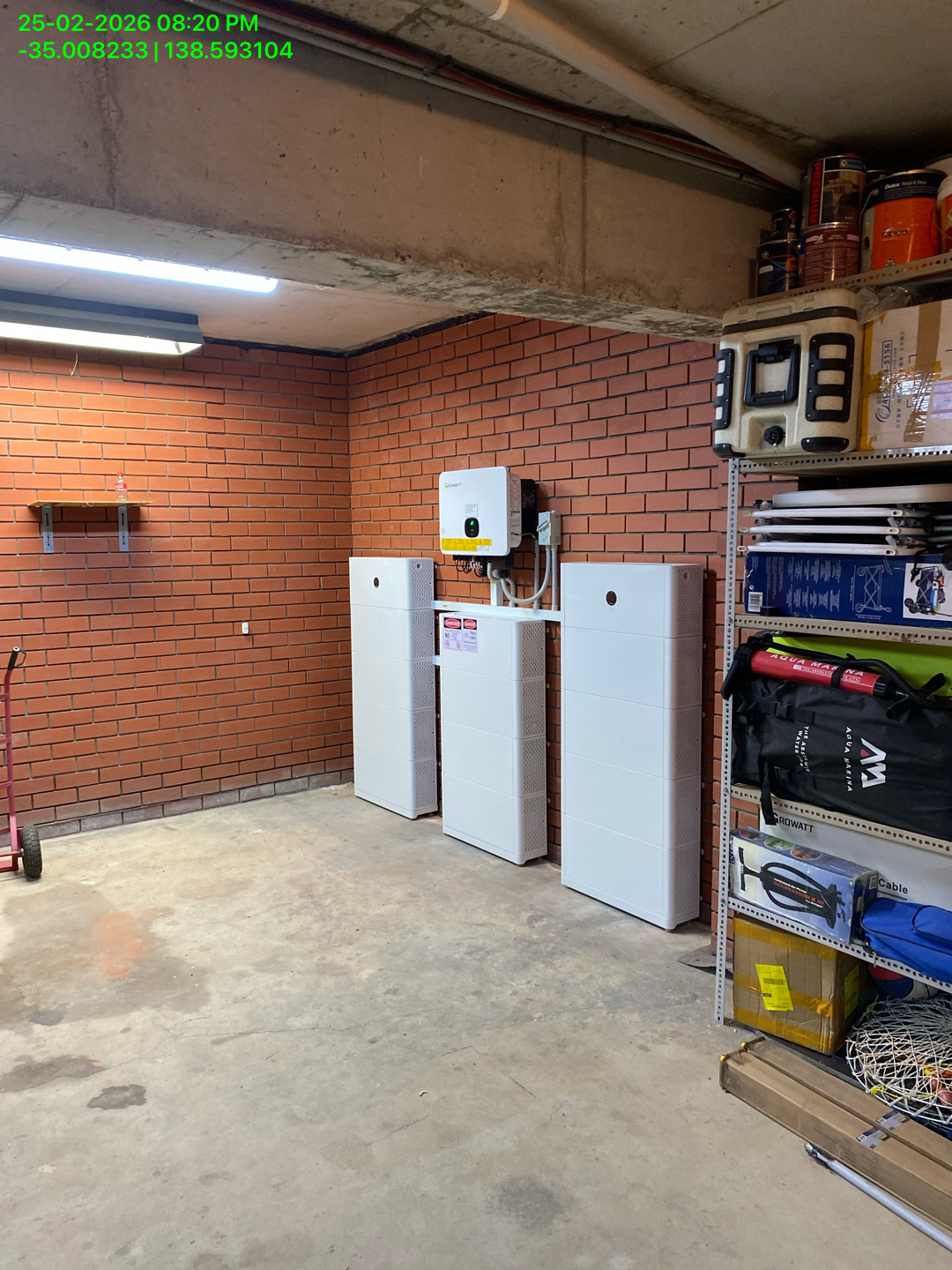
A fresh start · 2026
Sunterra replaced the original panels with a larger array, a Growatt MID 15KTL3 inverter and twelve Growatt battery units. The unshaded, north-west-facing tiled roof provided space for the new installation.
The source story does not state the batteries’ usable capacity or confirm a specific blackout backup arrangement, so neither is claimed here.
02 / Why timing matters
The family estimates around 120kWh a week for EV charging and another 100kWh for the rest of the home. Winter is their highest-use season, with air conditioning and the oven adding to evening demand. A generous export payment mattered, but so did having more energy available when the family needed it.
The new rooftop array was chosen to serve a larger electricity need than the older installation.
Battery storage supports the family’s aim to make more of its own generation available later in the day.
Giving up an older export rate only makes sense after considering that rate, the new system cost and expected household use.
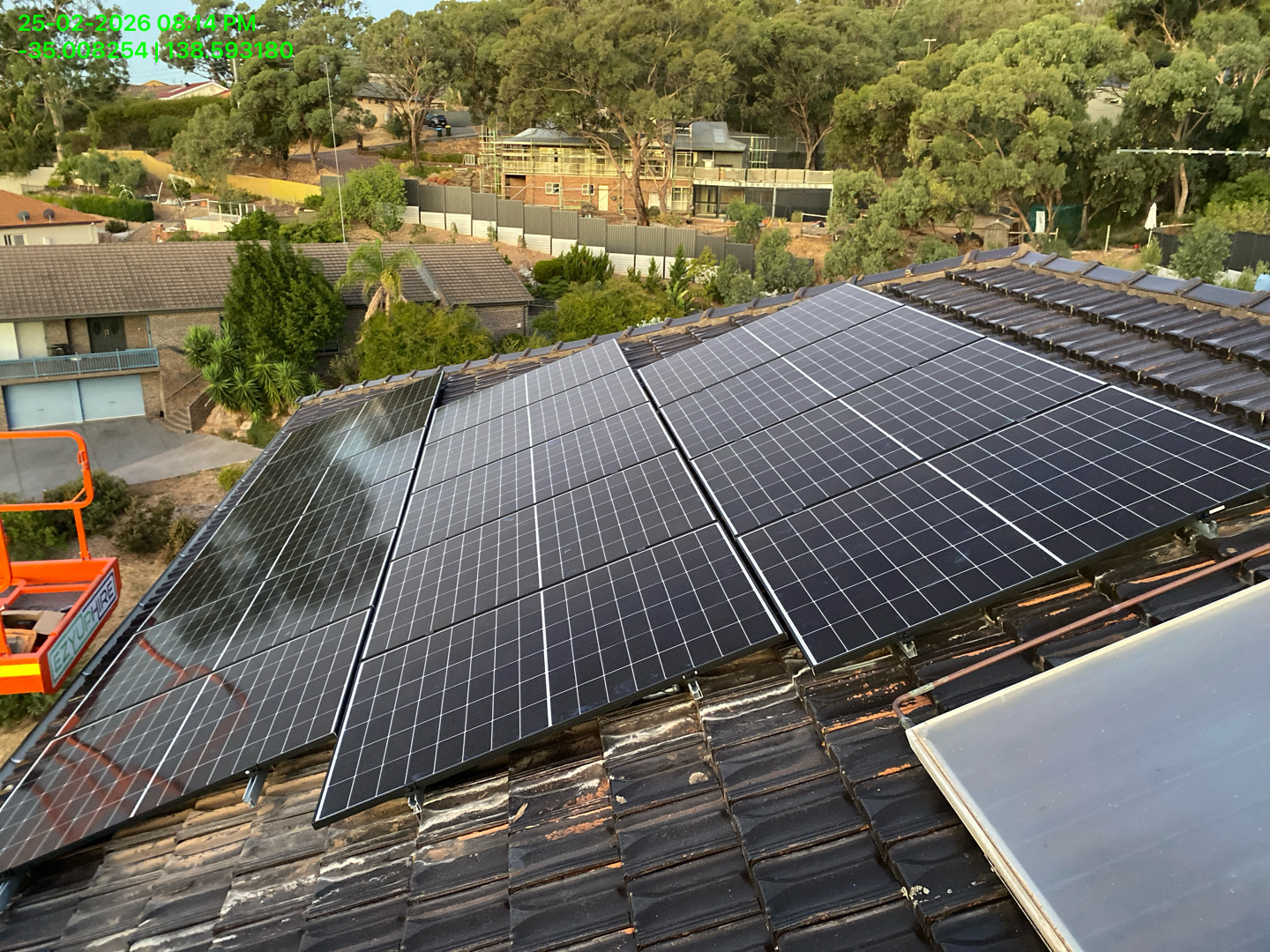
The real rooftop
The old arrangement rewarded exporting surplus power. The new one puts greater emphasis on electricity the family can use at home and for the car. That shift is specific to their needs, not a rule for every home with a legacy tariff.
Household usage estimates come from the homeowner’s story, not meter records supplied with this case.
03 / The reported result
The homeowner says quarterly electricity bills under the former setup were around $350 and that bills after the 2026 upgrade are frequently close to $0. Those are their reported experiences. Original before-and-after electricity statements were not supplied for independent verification.
What matters here
One family’s choice
The old figure was described as a quarterly bill. The new result was described as occurring frequently, without bill dates or a verified comparison period.
No savings percentage, payback period or guaranteed bill outcome can be calculated from the supplied material. The new system price, tariff rates and matching bills were not provided. Eligibility to retain or lose a legacy feed-in tariff depends on its specific rules.
| Measure | What the homeowner reported | What the supplied material does not establish |
|---|---|---|
| Old electricity bills | Around $350 per quarter | Exact dates, tariff line items or matched usage |
| New electricity bills | Frequently around $0 | Individual bill totals, frequency or seasonality |
| Weekly use | About 120kWh for EV charging, plus 100kWh for the home | Metered breakdown or every charging session |
| Investment return | Payback was important to the family | Installed price and a verified payback calculation |
The story describes a personal decision, not a controlled financial comparison. Weather, household use, equipment performance, plan terms and incentives all affect actual results.
04 / The Sunterra approach
This family was not choosing between an old and new panel alone. They were deciding whether to trade a valuable export arrangement for a system better matched to a home with an EV and substantial evening use.
Check the actual legacy tariff terms and what an upgrade would change before removing a working system.
Consider EV charging, seasonal demand and how much electricity the home needs after sunset.
Compare equipment cost, incentives, product quality and after-sales support alongside possible bill changes.
05 / Could it work for you?
No. A valuable historical export rate may be worth keeping. The decision depends on your tariff rules, current equipment, proposed system cost and how your household uses electricity.
The homeowner reported that new electricity bills are frequently close to $0. The supplied case material did not include before-and-after bills, so the result could not be independently checked.
No. The documents do not provide the new system price, matching bill periods or full tariff details needed to calculate payback.
That cannot be confirmed from the story alone. Backup depends on the equipment, installation design, connected circuits and settings. Ask for the proposed backup arrangement in writing.
Your home · Your energy plan
Talk to Sunterra before changing an older solar arrangement, especially if your home now has an EV or different evening needs.
Or call 1800 312 979
