Existing generation
Review generator capability, control platforms, network conditions and the required operating reserve.

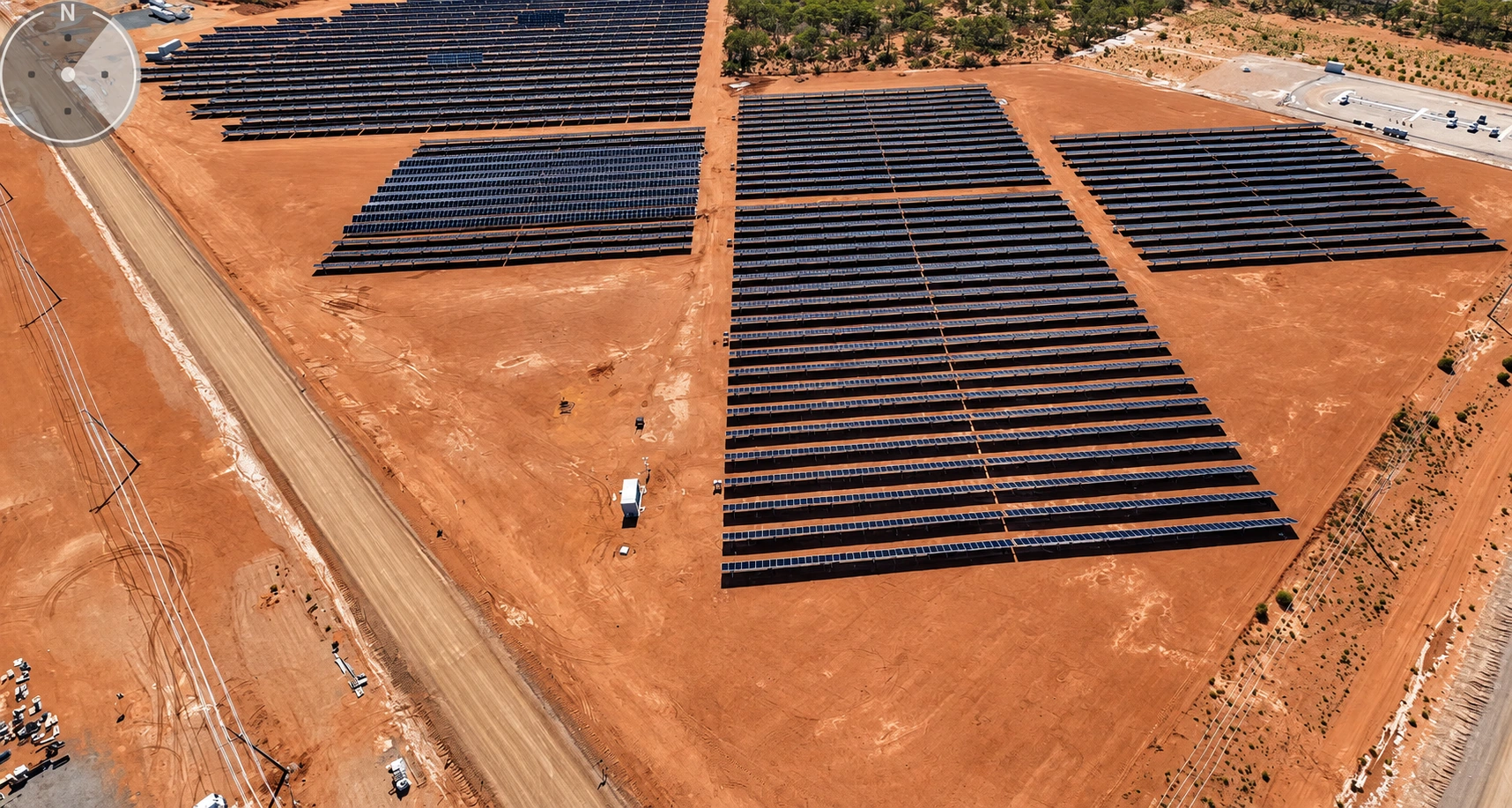
Integrate solar, storage and existing generation around real operating loads, with controls and commissioning that make the components work together.
Binduli Hybrid Power Station · Stage II
Review generator capability, control platforms, network conditions and the required operating reserve.
Match new generation and energy storage to load timing, available charging energy and the site’s objectives.
Establish the EMS interfaces, operating limits, communication paths and response to changing conditions.
Concept only. Controls coordinate the equipment; energy does not flow through the EMS. Electrical topology and operating modes are project-specific.
Available PV can supply part of the site demand and charge storage within the agreed limits. Dispatch depends on load, battery state and required reserve.
Suitably designed power conversion and controls can support changing site conditions. The response must be tested against the actual load and network requirements.
Storage and existing generation are coordinated around charge limits, operating reserve and the site’s supply priorities.
Real project · BinduliSolar, storage and existing diesel generation integrated at Norton Gold Fields. Sunterra’s role covered design, construction, project management, commissioning and generator-control integration.
Stage II project figures. Joint EPC delivery included Long King supplying equipment.
Trace existing controls, equipment data and network boundaries.
Resolve generation, storage, protection and communication requirements.
Test commands, response to communications faults and configured operating limits.
Record settings, responsibilities, operating modes and maintenance needs.
Not necessarily. Existing generation can remain part of the operating design and reserve strategy. The appropriate mix depends on the site.
No. Generator count and fuel use are different measures. Any fuel or cost outcome needs site operating data and an appropriate comparison.
Both involve system coordination. The Utility discussion focuses on larger or more complex project interfaces; the actual engineering scope follows the site rather than the page label.
Share your project stage, electrical interfaces, available studies and operating priorities. Let’s discuss the right next conversation.
